Electric cars have become a common choice for private buyers in Ethiopia, helped by government policy that favours them and by electricity that comes mostly from hydropower. Running costs are usually lower than for a petrol or diesel car, but day-to-day ownership works differently. Planning where and how you will charge matters as much as choosing the model.
Charging at home
Most owners do most of their charging at home or at work, usually overnight. Before the car arrives, ask a qualified electrician to check your wiring and earthing and to install a dedicated circuit for charging. For daily use, a wall-mounted charger is faster and safer than an ordinary socket.
Power cuts and voltage fluctuations still happen in some areas, so surge protection is worth considering. It also helps to top up when power is available rather than waiting until the battery is low.
Public charging and longer trips
The number of public charging stations is growing, especially in Addis Ababa, but coverage outside the capital is still limited. For trips between cities, plan your route around chargers you know are working and leave a margin of range for detours.
Vehicles built for the Chinese market normally use the GB/T charging standard. Check that the chargers you plan to use have a compatible connector, and ask which charging cables and adapters come with the car.
| Aspect | Home or work charging | Public charging |
|---|---|---|
| Typical use | Most day-to-day charging, usually overnight | Topping up during the day and on trips between cities |
| Availability | Wherever you can install a dedicated circuit | Growing in Addis Ababa, still limited outside the capital |
| Equipment to check | Wiring and earthing, a dedicated circuit, a wall-mounted charger and surge protection | A compatible GB/T connector, and the cables and adapters that come with the car |
| Planning | Top up when power is available rather than waiting until the battery is low | Plan routes around chargers you know are working and leave a range margin for detours |
Real-world range
Range figures for Chinese-market models are often quoted on the CLTC test cycle, which usually gives higher numbers than everyday driving. Expect less range at higher speeds, on long climbs, with the air conditioning running or with a full load. Downhill sections give some energy back through regenerative braking, but hilly routes usually use more energy overall than flat ones.
Looking after the battery
Follow the manufacturer's charging advice in the owner's manual. As a general rule, avoid leaving the battery fully charged or nearly empty for long periods, and use fast charging when you need it rather than every day. Many Chinese electric cars use LFP batteries, which often benefit from an occasional full charge so the range estimate stays accurate.
Parking in the shade when you can also helps, since high battery temperatures speed up ageing.
Warranty, software and servicing
An existing repair workshop provides aftersales service. Yantuicar currently does not provide parts supply. Before buying, confirm the specific services available for your model and how any required parts will be sourced.
Ask which warranty applies to the car in Ethiopia, how long it covers the battery and drive system, and who handles claims locally. Terms for vehicles exported from China can differ from those offered to buyers in China, so get them in writing.
Check that the screen and voice controls can be set to English, and which connected services or apps work outside China. Electric cars need less routine maintenance than petrol cars and have no oil changes, but tyres, brakes, suspension, coolant and the 12-volt battery still need regular checks. It also helps to know where parts and servicing will come from.
Getting help choosing
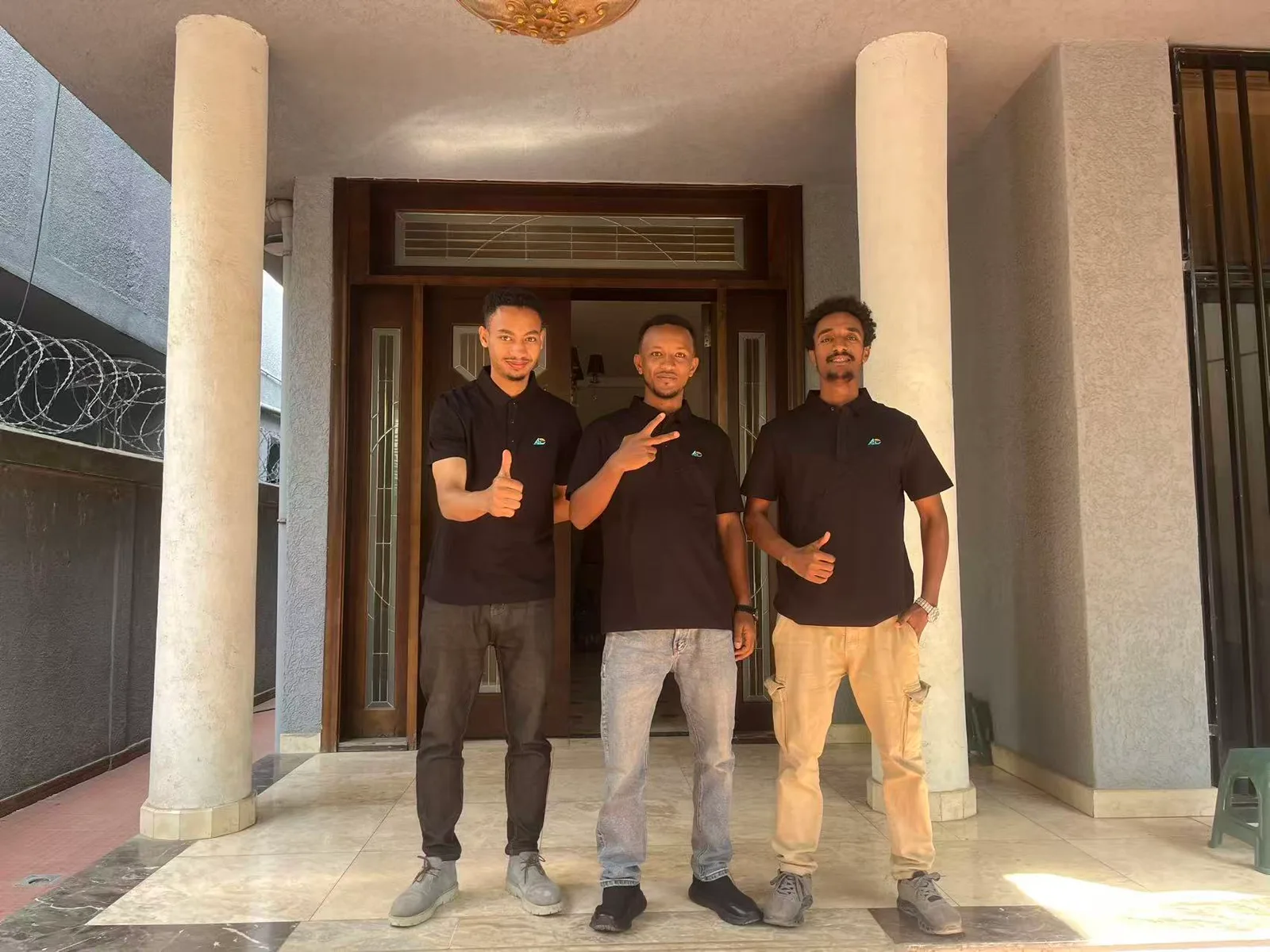
Yantuicar's team in Addis Ababa can help you compare electric models for your daily routes, explain the charging equipment that comes with each car and walk you through the vehicle at handover. Contact the team to discuss your needs and get a quote.