
A car is one of the largest purchases most people make, and in Addis Ababa the way it is sold now matters as much as the car itself. The city's revenue authorities have been tightening checks on vehicle sales that happen outside the registered tax system. For buyers, the safest response is simple: buy from a registered business, pay against an official receipt that shows the real price, and make sure every document you need for registration is in place before you hand over the money.
What is changing in Addis Ababa
Local business press reported in October 2026 that the Addis Ababa revenue authorities have taken legal action over vehicles being sold outside the registered tax system, including cars moved from showrooms into homes, warehouses and other compounds. According to the same report, a directive from August 2026 limits sales on business premises to registered vehicle trading and import companies, and asks commission brokers to stop displaying vehicles that belong to third parties.
The report describes a common problem: a receipt written for far less than the price actually paid, with the difference transferred separately. The authorities have not published the full details, such as the penalties involved, so treat these points as a general direction rather than a complete statement of the rules.
Why buying from a registered dealer protects you
- The seller is a business you can identify, visit and contact again after the sale
- The receipt records the real price, which is the figure the authorities see when ownership is transferred
- The vehicle's import and customs documents can be traced back to the business selling it
- Warranty and aftersales arrangements are agreed with the seller, not with an intermediary who may not be there later
- You are less exposed if the vehicle or the sale is later questioned by the tax or transport authorities
How to check the seller
- Ask for the business name exactly as registered, and check that it matches the name on the receipt and contract
- Ask to see the trade licence and the taxpayer identification number (TIN)
- Confirm that the business sells from a fixed showroom or premises, not only from a phone number and a parking spot
- Ask whether the vehicle belongs to the business or is being sold on behalf of someone else
The receipt and the payment
- Ask for an official sales receipt from the seller's registered sales register, made out in your name
- Check that the amount on the receipt is the full price you are paying
- Pay the business account named on the receipt; avoid splitting the price between a receipt and a separate transfer
- Keep the receipt, the contract and the bank transfer record together
Documents to have before you pay
Ownership transfer and registration depend on the paperwork being complete and consistent. Before paying, confirm which of the following you receive at handover and which are still being prepared.
- The customs clearance documents for an imported vehicle
- The ownership booklet (libre) if the vehicle has already been registered
- The commercial invoice or export documents showing the same VIN as the vehicle
- The official sales receipt and the signed sales contract
Warning signs
- The seller suggests writing a lower price on the receipt
- The vehicle is shown at a home, warehouse or other compound instead of the seller's business premises
- Nobody can say who owns the vehicle, or the owner named on the documents is not the seller
- The seller asks for cash or for payment to a personal account
- The VIN on the vehicle does not match the documents
Buying from Yantuicar
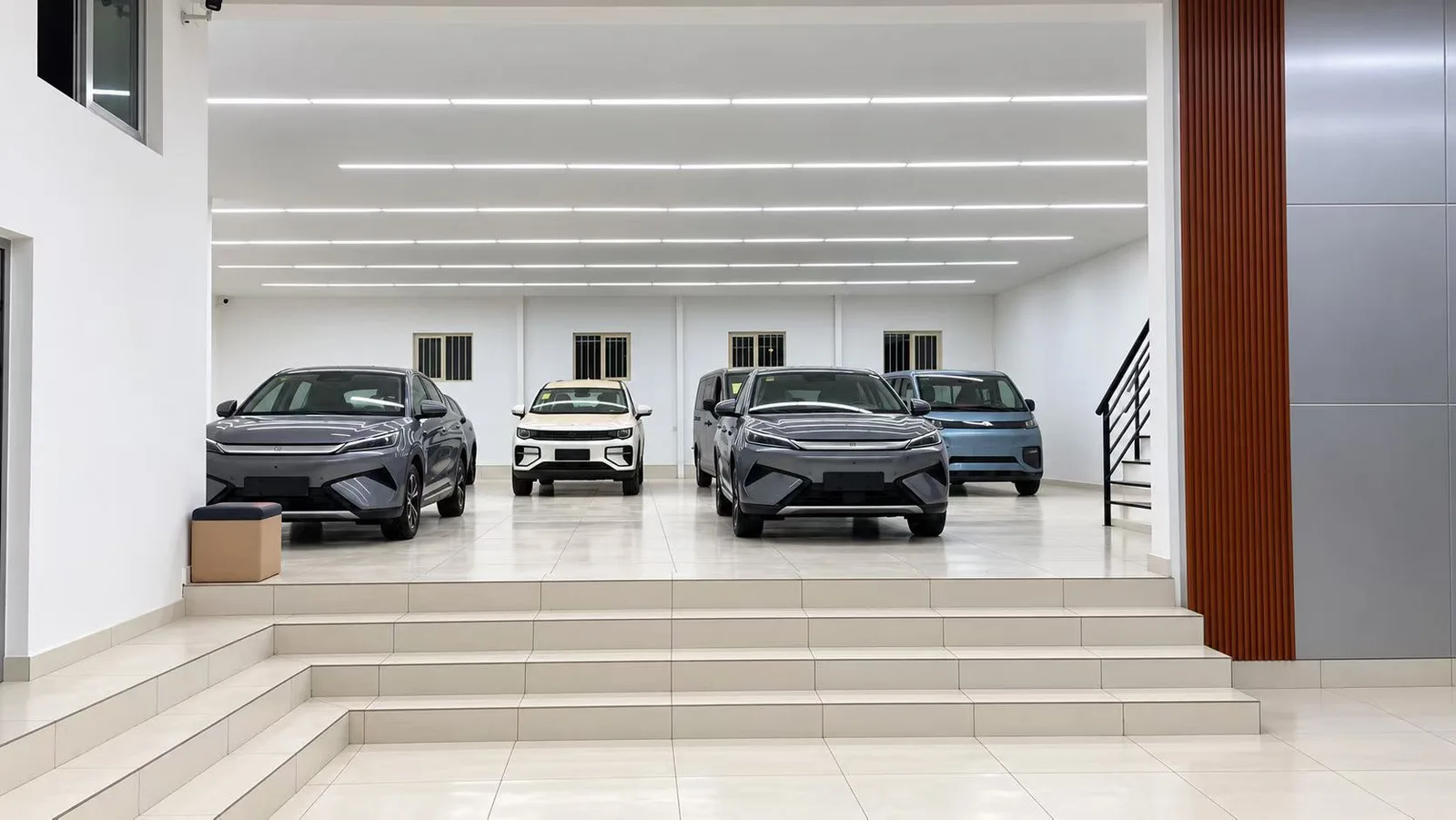
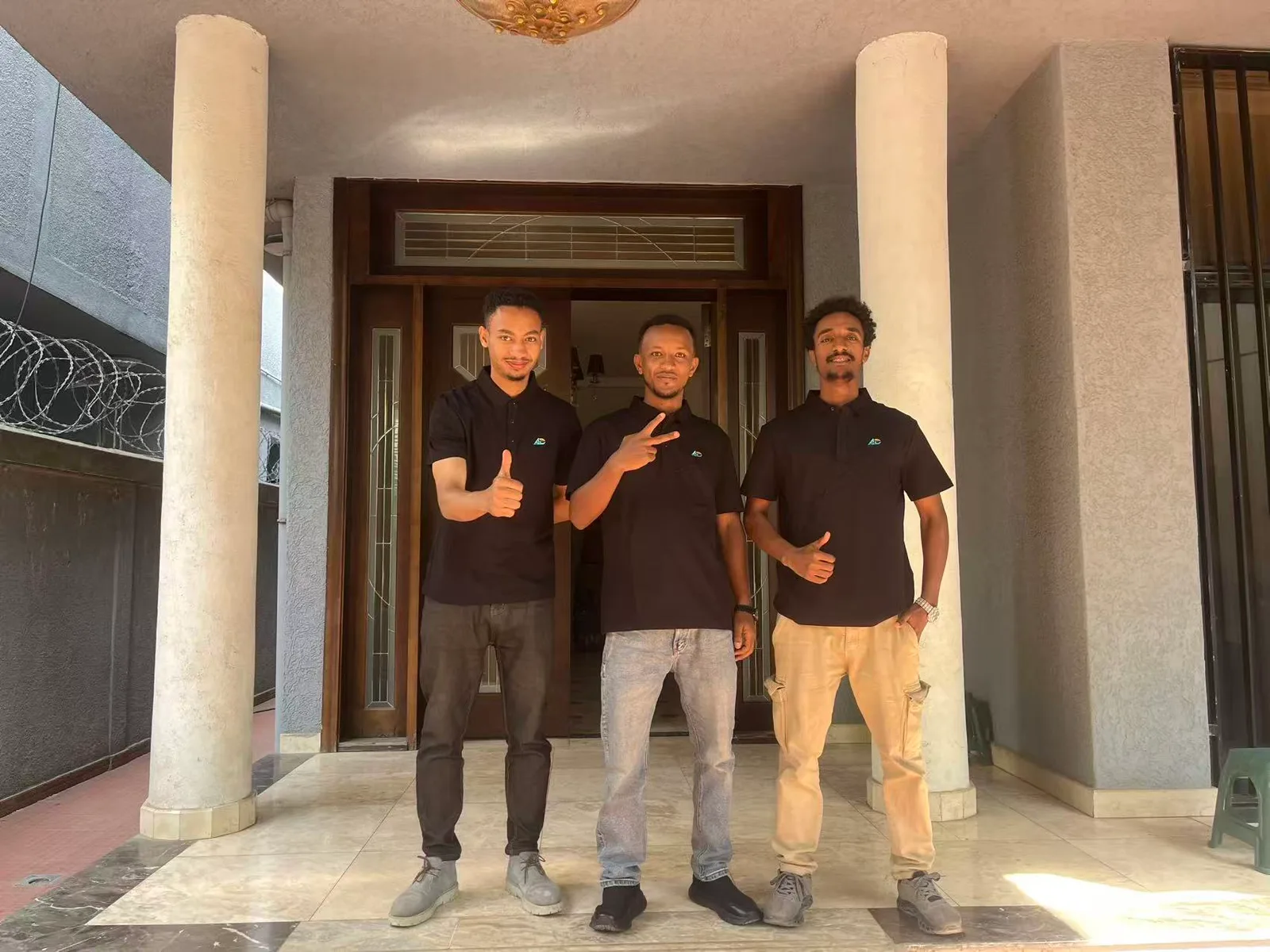
Yantuicar sells vehicles from its showroom in Addis Ababa as Yantu iCar EV Trading PLC, with sourcing and inspection support from its parent company in China. Ask the team about any vehicle in the inventory and they will explain the receipt, the documents you receive and the next steps for registration.